
Looking for a dog that’s friendly, smart, and loves to play?
Meet the Poodle! Poodles are not just cute with their curly hair; they’re also known for being one of the smartest dog breeds. Whether you’re in Lahore, Karachi, or Islamabad, a Poodle can be a wonderful companion for families, kids, and even older.
Most dog experts believe that the Poodle started in Germany during the Middle Ages, coming from a dog similar to today’s Standard Poodle. Back then, Germany had the Poodle as its water dog, just like England had the English Water Spaniel, France had the Barbet, Ireland had the Irish Water Spaniel, and the Netherlands had the Wetterhoun. The German name “Pudel” comes from the word “puddeln”, which means “to splash”, showing its connection to water. Some experts think the Poodle may have actually come from France, where it’s called the “Caniche,” and might have descended from the barbet.
History & Origin
Poodle dogs are smart, obedient, active, and good-looking, which made them popular in circuses, especially in France. In French circuses, smaller Poodles were specially bred to make them easier to handle and carry while travelling. These smaller dogs, now called Miniature pudle (once called Toy Poodles until 1907), could perform all kinds of tricks, like walking on tightropes, acting in funny plays, and even doing magic or card tricks.
At the start of the 20th century, breeders created the Toy Poodle by making Miniature Poodles even smaller. In the start, this caused health and behaviour problems because breeders focused only on size. But with better breeding practices, Toy Poodles became healthy, small versions of the original dog. Later attempts to make an even tinier Teacup Poodle failed because of serious health problems.
The last Poodle size to be recognized was the Medium Poodle, which is between the Standard and Miniature sizes. Not all kennel clubs recognize it, but it is accepted by the FCI and many European clubs. One reason for this size was to make dog shows simpler by having fewer categories.
The Poodle was officially recognized by the United Kingdom’s Kennel Club in 1874 and by the American Kennel Club (AKC) in 1886. In the U.S., Poodles were not very popular until 1935, when a Poodle dog named Nunsoe Duc de la Terrace won Best in Show at Westminster. After that, their popularity grew quickly. Between 1960 and 1982, Poodles were the most registered breed in the AKC. Since 1935, they have won Best in Show at Westminster 10 times, the second most of any breed. By 2012, the Poodle was the third most popular breed worldwide, after the Labrador Retriever and German Shepherd, with over 118,000 new dogs registered each year in 25 countries.
Key Traits & Temperament
Poodles are friendly and love to be around people. They’re great with kids and can get along well with other pets if they’re introduced properly. Known for their high energy, Poodles enjoy playing games and going for walks. Their intelligence makes them easy to train, but they also like to keep busy, so it’s important to give them plenty of mental stimulation. They can be a bit shy around strangers but warm up quickly once they feel comfortable. Poodles are also quite sensitive and can pick up on your emotions, so they thrive in a loving and attentive environment.
Appearance
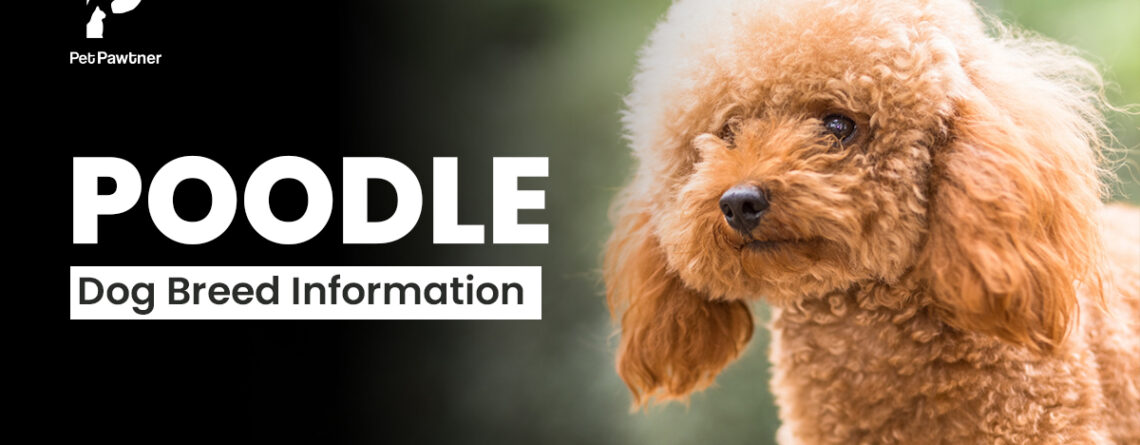
Poodles come in three sizes: Standard, Miniature, and Toy. They all share the same elegant look with a curly, thick coat that comes in various colors like white, black, brown, and apricot. Their long, graceful necks and proud stance make them stand out wherever they go. Whether big or small, Poodles have a charming appearance that turns heads.
Health & Lifespan
Most Poodles live long, happy, and healthy lives because responsible breeders carefully check the health of all dogs used for breeding. Like all dog breeds, Poodles can sometimes have health problems. These include hip problems, eye disorders, epilepsy, skin disease, blood clotting problems, and immune system issues. Small Pudles, like Toy and Miniature, are more likely to have leg or knee problems, while Standard Poodles are more likely to have stomach bloat and certain skin issues.
Breeders and breed clubs recommend some health tests for Poodles, such as checking the hips and eyes and testing for certain genetic diseases in Standard Poodles.
Poodles’ life span depends on their size. Smaller Poodles usually live longer than larger ones. For example, Toy Poodles in a Japanese study lived about 12.7 years on average. A recent study in the UK found that Pudles live about 14 years, which is longer than the average for other purebred dogs. In Sweden, one study showed that only 25% of Miniature and Toy Poodles died by age 10, compared to 35% of dogs overall.
Poodles can also inherit certain diseases from their parents. The Poodle Health Registry lists more than 50 major health problems for Standard Poodles. Two common problems are sebaceous adenitis, a skin disease, and Addison’s disease, which affects the hormone system. These diseases became more common after the 1960s when Poodles became very popular. Breeders focused on a few bloodlines to produce show dogs, which limited the breed’s genetic diversity. Because of this, even two average Standard Pudles can be as closely related as the puppies of two sibling village dogs.
Grooming Needs
If you don’t plan to keep your Poodle’s hair short, you will need to brush them every day to stop their coat from tangling. If you don’t brush all the way to the skin, the hair can form mats near the roots. When this happens, the hair may need to be shaved off so new hair can grow. Most owners choose to keep their Poodles in a shorter “puppy cut” because it is easier to manage. Some owners learn to trim their Poodle themselves, while others take the dog to a professional groomer every 4 to 6 weeks for a bath, haircut, and nail trim. Poodles shed very little, which makes them a good choice for people with allergies.
Skin Care
Toy Poodles should usually be bathed every 2 to 4 weeks, but your vet might suggest more frequent baths if your dog has special health needs. Use a gentle dog shampoo and conditioner for their curly coat.
Coat Care
Unless your Toy Poodle’s coat is cut very short, brushing every day is important to stop tangles. Make sure to brush all the way to the roots. Poodles were originally groomed in a “Continental clip” for hunting. This style made it easier for them to move in water while keeping important body parts warm. Today, most pet Poodles wear a short “puppy cut” because it is much easier to care for at home.
Eye Care
Wipe your Toy Poodle’s eyes every day with a soft, damp cloth or vet-approved cleaner to remove dirt. Some Poodles get tear stains around their eyes, but rinsing the eye corners daily with saline can help. Trim the hair around the eyes carefully to prevent irritation. If your dog has squinting or eye discharge, see a vet, because this can be a sign of an eye problem.
Ear Care
Toy Poodles can get ear infections, sometimes because of allergies. To prevent this, clean their ears every 1–2 weeks following your vet’s instructions, and keep the hair trimmed (but do not pluck it). If you see redness, bad smell, or debris in the ears, take your dog to the vet for a checkup.
FAQ’s
Is a Poodle a good family dog?
Yes! Poodles are energetic, friendly, and love being around people, which makes them great for families. They are happiest in active homes where they can play and join family activities. If you like running or taking long walks, a Poodle would make a fun and loyal companion.
What are the 4 types of Poodles?
There are four types of Poodles based on their size: Toy, Miniature, Medium, and Standard. Each size has its own personality, behavior, and traits, so it’s not just about how big or small the dog looks.
What type of breed is a Poodle?
Poodles are water dogs. They are called “Pudel” in German and “Caniche” in French. The breed comes in four sizes: Standard, Medium, Miniature, and Toy. The Medium Poodle is not recognized by all kennel clubs, but it is popular in some countries.
Is a Poodle high maintenance?
Yes, Poodles need a lot of care. Their curly coat doesn’t shed much, which makes them good for people with allergies, but it needs daily brushing and regular trips to a groomer. Make sure to choose a responsible breeder if you’re getting a Poodle puppy.
Can a Poodle be left alone?
Poodles can stay alone overnight if they have enough food and water, but it can be stressful for them. They do best when they get lots of attention and interaction from their family.
What is the disadvantage of a Poodle?
Poodles need more grooming than dogs with short hair. Their hair can tangle easily, so they need almost daily brushing and regular haircuts every 4–8 weeks depending on their hair and the season.
Are Poodles lazy or active?
Poodles are active and energetic. They need regular exercise and mental stimulation to stay happy and healthy. They enjoy walks, jogging, playing fetch, and even dog sports like agility or obedience training.
Does a Poodle bark a lot?
Poodles are friendly and like to communicate, and they often use barking to do this. Not all Poodles bark a lot, but many do, which is why they have a reputation for being noisy. Their size—whether Toy, Miniature, Medium, or Standard—doesn’t change this behaviour.
What is the poodle price in Pakistan?
Standard & Miniature Poodles: Typically priced between PKR 25,000 and PKR 70,000.
Toy Poodles: Imported Toy Poodles, especially those with pedigree, can cost between PKR 90,000 and PKR 350,000.
Designer Crossbreeds: Crossbreeds like Shih Tzu-Poodle mixes are more affordable, with prices starting around PKR 25,000.








Leave a Reply